


Cricket batting is not only about hitting the ball with maximum power. Successful batters rely on timing, footwork, concentration, and controlled bat movement to score runs consistently. Even experienced players spend hours improving their technique to handle different bowlers and pitch conditions.
Although modern cricket bats offer different blade profiles and playing characteristics, good technique remains essential for effective batting. Understanding how the bat moves through a shot can help players develop greater confidence and consistency.
Why Shot Timing Matters More Than Raw Power
Shot timing refers to making contact with the ball at the appropriate moment and with the correct bat position.
When a batter times a delivery well, the ball can travel effectively without requiring an excessively forceful swing. Proper timing allows the player to use the incoming ball’s pace while maintaining control over shot direction.
Poor timing can result in mistimed drives, unwanted edges, or shots that fail to reach their intended target.
To improve timing, players should concentrate on watching the ball closely, keeping their head stable, and maintaining a controlled swing.
How Batting Stance Affects Shot Execution
A balanced batting stance creates a reliable foundation for playing different shots.
The feet should be positioned comfortably apart, with the knees slightly flexed and body weight distributed naturally.
Players should avoid excessive tension in their shoulders and hands. A relaxed setup allows the bat to move more freely during the backswing and downswing.
The position of the head is equally important. Keeping the head balanced helps batters judge the delivery and move into a suitable position.
Developing a repeatable stance through regular practice can improve batting consistency.
Understanding the Role of Bat Swing and Control
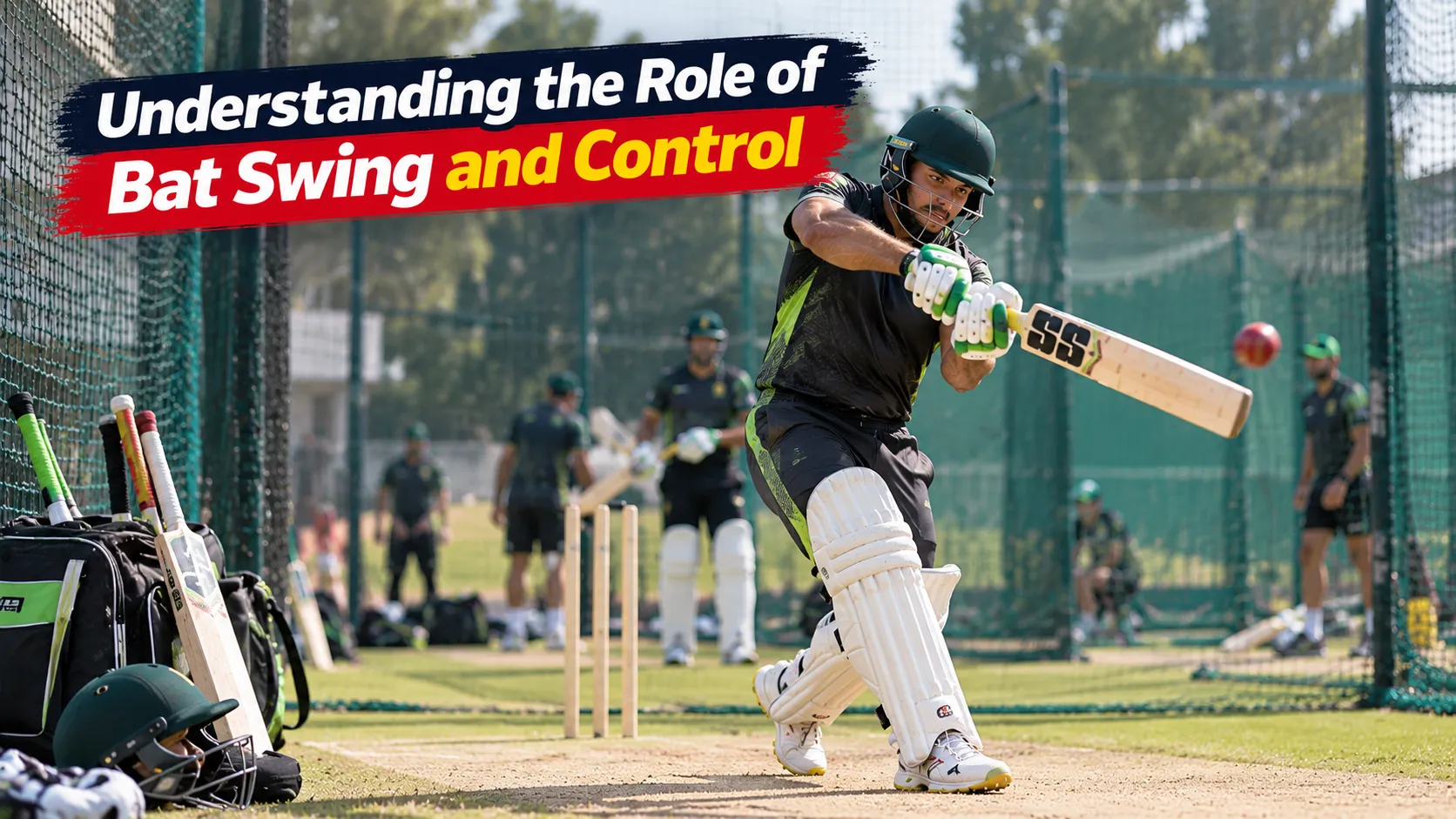
A cricket bat travels through several stages during shot execution, including the backswing, downswing, ball contact, and follow-through.
Each stage contributes to the overall quality of a shot.
During the backswing, the batter prepares to bring the bat toward the approaching ball. The downswing should follow an appropriate path for the intended stroke.
Maintaining control is particularly important when playing straight drives, defensive strokes, and shots against moving deliveries.
Different cricket bats can feel different during the swing because of their weight distribution, handle construction, and blade profiles. However, a player’s technique determines how effectively these characteristics are used.
Improving Footwork Against Different Deliveries
Footwork allows batters to position themselves correctly before making contact.
Front-Foot Batting
Front-foot movement is commonly used against fuller deliveries. Moving toward the pitch of the ball can help batters play controlled drives or defensive shots.
Back-Foot Batting
Shorter deliveries often require movement onto the back foot. This creates space and time for cuts, pulls, and certain defensive strokes.
Playing Spin Bowling
Against spin, batters must judge length and variation carefully. Controlled forward or backward movement can help them respond to turning deliveries.
Footwork drills are especially valuable because they help players connect body movement with correct bat positioning.
Practicing Batting with Different Ball Types
Training with different cricket balls can develop useful aspects of batting technique.
Tennis-ball cricket can be helpful for practicing hand-eye coordination and recreational batting skills.
Tape-ball cricket involves different movement and bounce characteristics, making it a distinct playing environment.
Players using a fiber cricket bat for recreational practice should confirm that the bat is designed for their chosen ball type.
Leather-ball training requires appropriate protective equipment and a bat suitable for hard-ball cricket.
Practicing under conditions similar to actual matches is particularly important when preparing for competitive cricket.
How Equipment Costs Relate to Batting Development

Developing good batting technique does not automatically require the most expensive equipment.
When comparing bat price in pakistan, players should consider whether a particular model is suitable for their training routine, playing format, and physical requirements.
A premium bat may offer desirable construction and playing characteristics, but it cannot replace proper technique.
Beginners often benefit more from consistent coaching, repetition, and equipment that feels comfortable in their hands.
As players gain experience, they can better understand which bat characteristics complement their developing technique.
Practical Drills to Improve Batting Performance
Regular practice helps turn basic batting movements into reliable habits.
Shadow Batting: Practice the backswing and downswing without a ball. Concentrate on alignment, balance, and smooth movement.
Drop-Ball Practice: Have a partner drop a ball from a controlled height and practice making clean contact.
Front-Foot Drive Drill: Use gentle underarm feeds to improve forward movement and straight-bat contact.
Back-Foot Movement Drill: Practice moving backward into a balanced position before playing a suitable shot.
Target Practice: Set safe targets around the practice area and work on controlling shot direction rather than relying entirely on power.
Consistent practice, combined with feedback from a coach, can help batters identify weaknesses and improve their technique.
Frequently Asked Questions
1. How can beginners improve cricket batting timing?
Beginners can improve their timing through controlled ball-feeding drills, regular net practice, stable head positioning, and careful observation of the ball.
2. Does cricket bat weight affect shot timing?
Yes. Bat weight and balance influence swing speed and control. A bat that feels uncomfortable or difficult to maneuver can affect the timing of a shot.
3. Can a fiber cricket bat be used for batting practice?
Yes, provided the bat is designed for the ball and playing conditions being used. Players should check the manufacturer’s recommendations.
4. Is an expensive cricket bat necessary for better batting performance?
No. Technique, practice, ball judgment, and proper equipment fit are more important than price alone.
5. What is the best way to improve footwork in cricket?
Repeated front-foot and back-foot drills, controlled ball feeds, and match-specific practice can help players develop better positioning and balance.
Conclusion
Effective cricket batting depends on a combination of technical ability, balanced movement, ball judgment, and regular practice. Shot timing and footwork are particularly important because they influence how consistently a batter makes clean contact.
While cricket equipment continues to evolve, strong batting fundamentals remain central to performance. By developing sound technique and practicing under realistic playing conditions, cricketers can improve their control, confidence, and overall batting experience.
Read More: How to choose the right English willow bat for better cricket performance